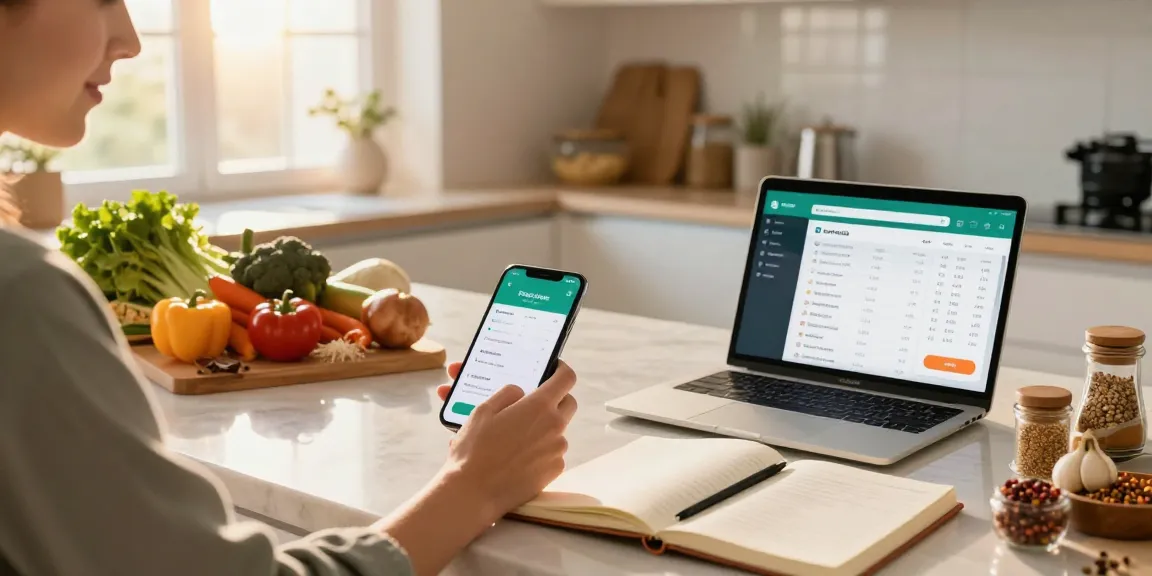
Understanding Food Tracking Apps: A Comprehensive Overview
In the ever-evolving world of health and wellness, food tracking apps have become indispensable tools for individuals aiming to manage their diets and achieve their nutritional goals. By allowing users to log their meals, monitor caloric intake, and analyze nutritional value, these apps empower people to take control of their eating habits. With numerous options available, selecting the right tracking app can feel overwhelming. That’s where best food tracker resources come into play, offering insights into the most effective applications tailored to various needs.
What is the Best Food Tracker and How Does It Work?
The best food tracker is one that aligns seamlessly with an individual’s lifestyle and specific health objectives. Fundamentally, these applications serve as digital diaries where users input their food consumption. Most trackers feature a comprehensive food database, allowing users to search for items by name or scan barcodes for quick entries. Advanced trackers also offer features like meal planning, nutritional analysis, and personalized coaching tailored to users’ preferences.
Key Features to Look for in a Food Tracking App
- User-Friendly Interface: An intuitive layout is essential for ease of daily use.
- Extensive Food Database: The quality and size of the food database impact the accuracy of calorie and nutrient tracking.
- Nutritional Insights: Look for apps that provide detailed reports about micronutrients, macronutrients, and overall dietary quality.
- Personalization: The ability to customize goals based on individual health objectives is crucial.
- Integration with Fitness Trackers: Compatibility with wearable devices can enhance tracking by automatically syncing exercise data.
- Support and Community: Access to a support network or forums can be beneficial for motivation and advice.
Benefits of Using a Food Tracker for Your Health Goals
Utilizing a food tracking app can lead to numerous health benefits. By maintaining a detailed log of food intake, users can become more aware of their eating patterns, making it easier to identify areas for improvement. Moreover, tracking offers accountability—when users see what they consume, they may be more inclined to make healthier choices. Several studies indicate that diligent food tracking is associated with effective weight management and may support sustainable lifestyle changes.
Top Ranked Food Tracking Apps of 2026
This year showcased an array of innovative food tracking applications, each catering to changing consumer demands and leveraging technological advancements. Through extensive evaluation, we have identified the most effective applications currently on the market, each uniquely suited to assist users in achieving their nutritional objectives.
In-Depth Review of the Best Food Tracker: Welling
Welling stands out as a premier food tracking app thanks to its user-friendly design and comprehensive features. This app offers an impressive food database that compiles thousands of items, making it easy for users to log meals accurately. Its standout feature is the built-in nutrition coach, which offers personalized meal suggestions based on individual dietary needs and preferences. The app’s seamless integration with fitness trackers helps users stay active by providing insights into how exercise impacts their overall nutritional strategy.
Cronometer: Accuracy and Nutritional Insights
Cronometer is renowned for its focus on micronutrient tracking, making it an invaluable resource for health enthusiasts looking to optimize their diets. Unlike many competitors, Cronometer prioritizes accuracy in its food database, verifying entries to ensure reliable information. Users benefit from detailed nutritional reports that highlight micronutrient intake, making it easier to manage deficiencies or excesses. The app’s sleek design and robust functionality make it a favorite among those serious about their nutritional intake.
MacroFactor: A Personalized Coaching Experience
MacroFactor offers a unique approach to food tracking by providing adaptive coaching based on user data. This app excels in recalibrating energy expenditure calculations weekly, ensuring users have a tailored experience as their lifestyle changes. MacroFactor’s focus on customizable macronutrient goals sets it apart, accommodating different dietary styles such as keto, paleo, or balanced nutrition. Its comprehensive meal planning feature further enhances the user experience by simplifying the decision-making process around food choices.
How to Choose the Right Food Tracker for You
When navigating the myriad options available for food tracking, it is essential to select the app that aligns with your specific needs. A thoughtful approach can make a significant difference in your success and enjoyment of the tracking process.
Seven Questions to Identify Your Needs
- What are your specific health goals?
- How important is ease of use in your daily routine?
- Do you prefer detailed nutritional information or a more general overview?
- Are you looking for a tracker that integrates with fitness devices?
- How much support and guidance do you require from nutrition coaching features?
- Is cost a significant factor in your decision-making process?
- Do you prefer a community feature to connect with other users?
Comparative Analysis: Features and Usability
To make an informed choice, it’s beneficial to compare features across the top food tracking apps. Look for usability, availability of a food database, analytical tools, and additional resources like community support or coaching. Each app may excel in different areas, and understanding these distinctions is key to finding the perfect match for your lifestyle.
Cost vs. Value: Finding the Best Food Tracker for Your Budget
While many food tracking apps are available for free, premium features often come at a cost. Weighing the value provided by each app against its pricing structure is essential. Consider how much you are willing to invest in achieving your health goals—more expensive options may offer superior features, community support, or coaching, whereas budget-friendly apps may cover your basic tracking needs.
The Role of Data Quality in Food Tracking Apps
Understanding the importance of food database quality is critical when selecting a food tracking app. Not all food databases are created equal, and the accuracy of tracked data can significantly impact users’ success in achieving their dietary goals.
Understanding Food Database Quality
Food tracking apps often boast vast databases; however, the quality of those entries matters more than sheer quantity. A smaller database with verified entries can yield more accurate tracking results compared to a larger database filled with unverified or junk entries. When evaluating an app, look for transparency regarding their tracking methods and the measures taken to ensure data accuracy.
How Accurate are AI Trackers Compared to Manual Entry?
Recent advancements in AI technology have led to the rise of AI-based food tracking apps that allow users to log meals through image recognition. While these apps can be convenient, studies have shown they might not always be as accurate as manual entry. Users should be aware of potential discrepancies and should consider using manual logging for critical nutritional tracking.
Real User Testimonials: Experiences with Various Trackers
Genuine user experiences provide valuable insight into the functionality and effectiveness of food tracking apps. Testimonials often highlight elements such as ease of navigation, accuracy, and customer support, guiding potential users in their selection process. Engaging with community forums or reading user reviews can enhance understanding of each app’s unique offerings.
Future Trends in Food Tracking Technology
The landscape of food tracking technology is rapidly changing, influenced by emerging trends that promise to redefine how users monitor their diets and health. Staying attuned to these developments can help users select the most relevant and beneficial apps.
Emerging Features in Food Tracking Apps for 2026
As technology progresses, new features such as enhanced AI-driven coaching, personalized meal planning based on DNA insights, and automated grocery list generation are gaining traction. App developers are increasingly incorporating machine learning to refine user experience, leading to more personalized interactions and recommendations.
The Impact of AI and Machine Learning on Food Tracking
AI and machine learning are becoming central to food tracking apps, helping to analyze user data to provide actionable insights. By learning from user habits and preferences, these technologies can help target specific dietary needs or suggest healthier alternatives tailored to individual lifestyles.
Predictions for Nutritional Tracking Innovations
Future nutritional tracking innovations are expected to focus heavily on personalized nutrition, utilizing genetic data to offer tailored dietary advice. The integration of augmented reality (AR) in food logging processes could also become mainstream, making meal logging more interactive and engaging.
How Food Tracking Can Support Sustainable Eating Practices
As the focus on sustainability grows, food tracking apps are beginning to incorporate features that help users select eco-friendly food options. This can include tracking the carbon footprint of food choices, promoting plant-based diets, and providing resources on local, sustainable sourcing.
Will Food Tracking Apps Continue to Gain Popularity?
With the growing awareness of health and nutrition, food tracking apps are likely to continue gaining popularity. As users seek to understand the ingredients and nutritional value of their meals, these tools will play an essential role in promoting healthier eating and lifestyle habits.