Understanding the Basics of Townhouse Renovation
Renovating a townhouse is an exciting yet challenging task that can significantly enhance the value and functionality of your home. From modernizing the interiors to improving energy efficiency, there are countless aspects to consider when embarking on this journey. Understanding the nuances of townhouse renovation can save you time and money, and it can also provide you with a clearer vision for what you wish to achieve. When exploring options, รีโนเวท ทาวน์เฮ้าส์ provides comprehensive insights on the essentials and considerations that will guide homeowners through the renovation process.
What is townhouse renovation?
Townhouse renovation refers to the process of upgrading or modifying an existing townhouse to enhance its aesthetic appeal, improve living conditions, and increase property value. This can range from minor cosmetic changes, like painting and floor replacement, to major structural modifications, including new additions or complete overhauls of systems such as plumbing and electrical wiring.
Common challenges in renovating townhouses
Renovating a townhouse comes with its own set of challenges. Limited space is often an issue, making it crucial to optimize every square foot effectively. Additionally, older townhouses may require significant repairs to meet modern building codes and standards. Working within the confines of shared walls or common areas can also complicate renovations, as any changes may impact neighboring properties.
Key benefits of renovating your townhouse
Beyond enhancing the visual appeal, renovating your townhouse can significantly improve functionality and energy efficiency, potentially lowering utility bills. A well-executed renovation can also lead to increased property value, making it a wise investment for homeowners looking to sell. Additionally, personalizing your space creates a more comfortable and enjoyable living environment.
Planning Your Renovation Project
Setting a budget for townhouse renovation
Creating a realistic budget is the cornerstone of successful townhouse renovation planning. Assess your financial resources and determine how much you are willing to spend. Consider both soft and hard costs, including permits, contractor fees, and materials. Setting aside a contingency fund of 10-20% of the total budget is also advisable to handle unexpected expenses.
Choosing a design style: Modern vs. Vintage
Choosing the right design style is crucial in a townhouse renovation. Modern designs, characterized by clean lines and open spaces, are popular for their simplicity and functionality. In contrast, vintage styles can bring a sense of charm and nostalgia, often featuring intricate details and warm color palettes. The choice will depend on personal preference and the existing architectural features of the townhouse.
Essential permits and regulations
Before starting your renovation, familiarize yourself with local building regulations and necessary permits. Depending on your location, certain renovations may require approval from local authorities, especially if they involve structural changes or alterations to the building’s exterior. Ignoring these regulations can lead to serious legal issues and costly fines.
Designing an Efficient Layout
Optimizing space in small townhouses
Making the most out of limited space is a common concern for townhouse owners. Open concept designs can create an illusion of spaciousness, while multifunctional furniture can maximize utility. Consider built-in storage solutions to keep the living area clutter-free. Lighting plays a pivotal role, so use mirrors and light colors to brighten up the space.
Creating functional rooms with flow
Designing functional rooms involves creating a seamless flow from room to room. Each space should serve its purpose while contributing to the overall harmony of the home. Utilizing consistent design elements, such as color schemes and flooring materials, can help achieve a cohesive look. Pay attention to foot traffic patterns to avoid congestion points.
Incorporating outdoor spaces creatively
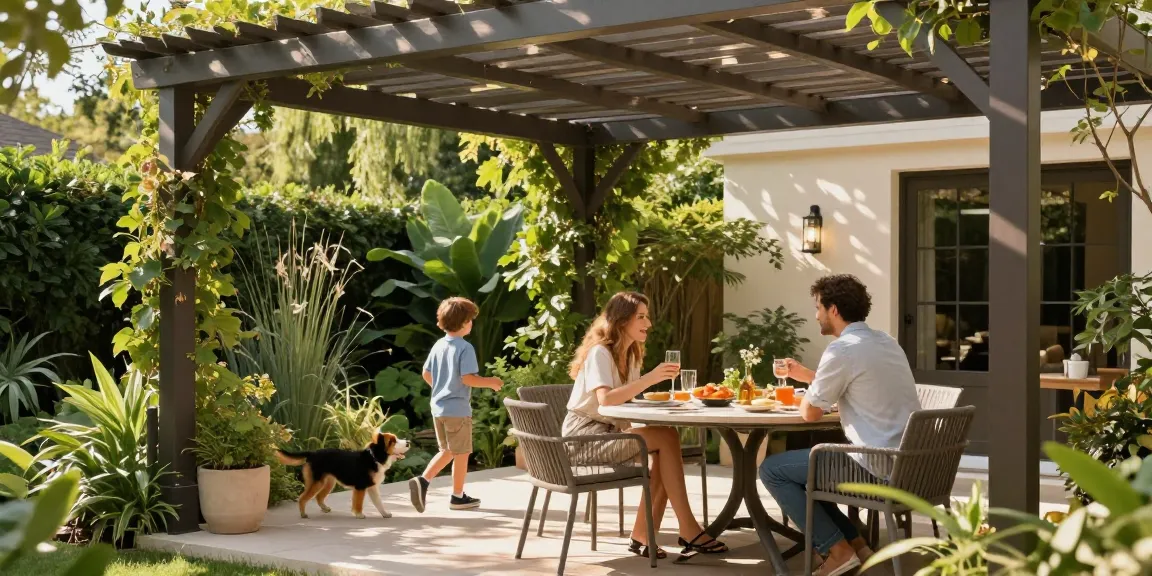
If your townhouse includes outdoor areas, such as patios or balconies, consider ways to enhance these spaces. They can serve as extensions of your living area and should complement the interior design. Use outdoor furniture that matches your aesthetic and include greenery for a refreshing environment.
Selecting Materials and Finishes
Best materials for durability and aesthetics
Choosing high-quality materials is essential for both aesthetics and longevity. Hardwood floors, stone countertops, and high-grade fixtures not only elevate the look of your home but also provide durability. When selecting finishes, consider their maintenance requirements and longevity to ensure they stand the test of time.
Eco-friendly options for sustainable renovations
With increasing awareness of environmental issues, many homeowners are opting for eco-friendly materials. Renewable resources such as bamboo flooring or reclaimed wood can reduce your carbon footprint while adding character to your renovation. Look for appliances and fixtures with Energy Star ratings to further enhance sustainability.
Color schemes and lighting considerations
Color schemes can dramatically influence the ambiance of your townhouse. Light, neutral colors tend to open up spaces, while darker shades add warmth and coziness. Lighting, both natural and artificial, should be carefully considered to highlight architectural features and create inviting environments.
Executing the Renovation
Finding reliable contractors and artisans
Hiring reliable professionals is critical to the success of your renovation. Seek out recommendations, read reviews, and interview multiple contractors before making a decision. Ensure that they are licensed and insured to avoid complications down the line. Establishing a clear contract outlining expectations, timelines, and costs is also vital.
DIY renovation tips for homeowners
For those interested in undertaking some DIY projects, start with minor renovations to build your skills and confidence. Simple tasks like painting walls or landscaping can be very rewarding. Just be sure not to take on projects that require significant structural knowledge unless you are well-prepared.
Evaluating the success of your renovation
After the renovation is complete, assess the changes against your initial goals. Consider how the new spaces function in daily life and whether they meet your aesthetic preferences. Gathering feedback from family and friends can provide valuable insights and help you identify areas for future improvement.
Frequently Asked Questions about Renovating Townhouses
What does it typically cost to renovate a townhouse?
The cost of townhouse renovations varies widely based on the scale of the project, the materials used, and whether you hire contractors. On average, expect to spend anywhere from $100 to $400 per square foot for comprehensive renovations.
How can I maintain the character of my townhouse during renovations?
Maintaining the character of your townhouse can often be achieved by preserving original architectural features while integrating new elements. Consult with preservation specialists if your townhouse is historic, as they can provide guidance on maintaining authenticity.
What are the latest trends in townhouse renovations for 2026?
Current trends in townhouse renovations emphasize open concept living, sustainable materials, and smart home technology. Homeowners are increasingly looking to create multifunctional spaces that accommodate the growing trend of remote work and modern family dynamics.