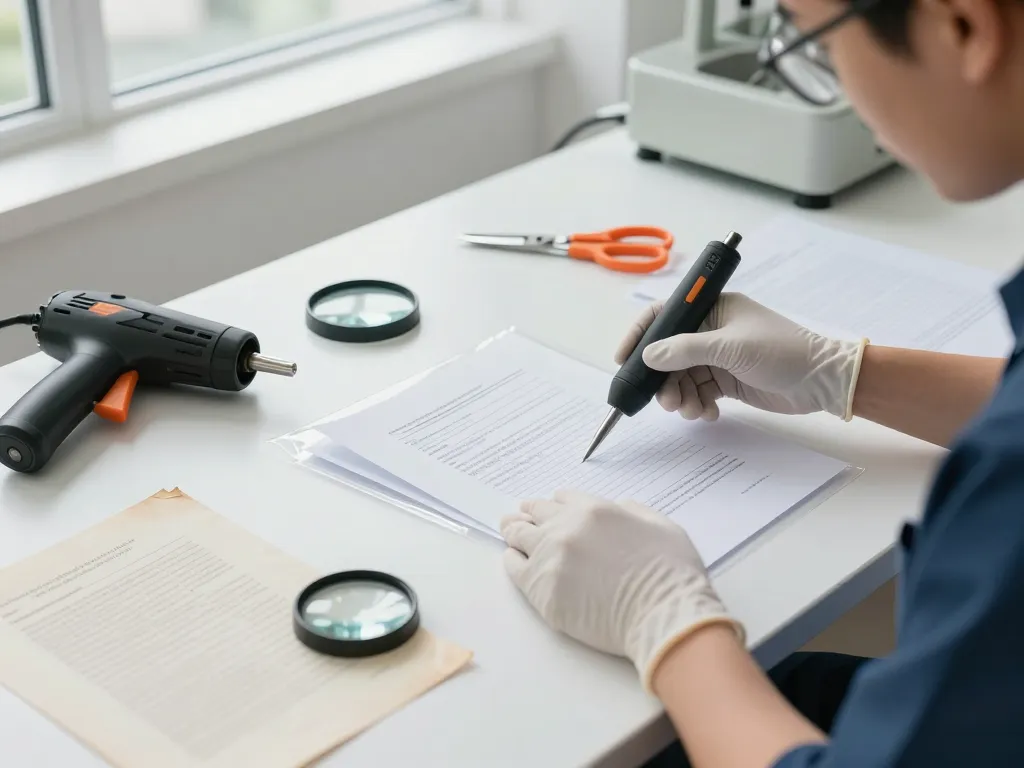
Understanding the Process of tháo ép plastic
The process of tháo ép plastic involves carefully removing the plastic lamination that protects documents without damaging the underlying material. Lamination is a common technique used to enhance durability and longevity, particularly for important documents such as certificates, identification cards, and photographs. However, as time passes, the adhesive used in lamination can bond too tightly to the paper, making removal challenging and risky. Understanding how lamination works, the materials involved, and the best practices for removing it is crucial for anyone looking to restore their documents efficiently.
What is Lamination and Why Use It?
Lamination is the process of encasing a document in plastic to protect it from moisture, tears, and general wear and tear. This process is often used for:
- Certificates of achievement
- Professional licenses
- Photographs and art prints
- Menus and signs in restaurants
Using lamination increases the durability of documents and makes them waterproof, but it can create issues when the need arises to remove or restore the underlying document.
Common Materials for Lamination
The materials used in lamination typically include:
- Plastic film: This is usually made from materials like polyester or polypropylene, providing a flexible and clear protective layer.
- Adhesive: A heat-activated or pressure-sensitive adhesive is used to bond the plastic film to the document.
- Paper: The underlying material that benefits from the protective qualities of lamination.
Understanding the specific materials involved helps in selecting appropriate removal techniques and tools.
When to Consider tháo ép plastic
There are several scenarios that might lead someone to consider removing lamination:
- When a document is damaged and requires restoration.
- If the document is no longer needed in its laminated form.
- When the appearance of the document has deteriorated due to discoloration or wear.
Knowing when to remove lamination and how to approach it can save valuable documents from being irrevocably damaged.
Risks Associated with Traditional Methods
Traditionally, the removal of laminated documents involved methods such as heat application or manual peeling, both of which can pose risks to the integrity of the document.
Using Heat: Pros and Cons
One common method is applying heat through tools like hairdryers or irons. While heat can soften the adhesive, it also comes with risks, such as:
- Potential damage to the paper if the heat is too high.
- Risk of melting the plastic, which can lead to further complications.
- Inconsistent results, with some areas remaining stuck while others may tear.
This method requires careful control to avoid destroying the document.
Mechanical Techniques and Their Limitations
Mechanical methods, such as pulling or tearing the lamination away, can also be employed. However, they often lead to:
- Ripped pages and loss of crucial information.
- Increased chances of leaving behind adhesive residue.
- Frustration and time consumption due to ineffective results.
Using mechanical techniques might seem straightforward, but they often lead to irreversible damage.
Common Mistakes in Document Restoration
During the restoration process, several mistakes can occur, including:
- Overheating the document.
- Applying too much force when peeling.
- Ignoring the type of adhesive used, which can vary in strength and composition.
Each of these mistakes can compromise the document’s integrity, making it vital to choose the right restoration approach.
Innovative Technology in Document Restoration
The field of document restoration is evolving with the advent of new technologies that provide safer and more effective ways to remove lamination.
Non-Invasive Methods of tháo ép plastic
Non-invasive technologies, such as those utilizing specialized solvents and controlled environments, are becoming increasingly popular. These methods mitigate the risk of damage by:
- Carefully dissolving the adhesive without affecting the paper.
- Preserving the integrity of the printed information.
- Offering a more efficient solution than traditional methods.
Such innovations ensure that the restoration process is both effective and safe for the document.
Benefits of Professional Restoration Services
Engaging professional services for the removal of lamination offers numerous advantages:
- Access to expertise and specialized equipment designed for document restoration.
- Increased likelihood of a successful outcome without damage.
- Time savings and reduced stress associated with DIY attempts.
When restoring valuable or irreplaceable documents, the investment in professional services often pays off significantly.
Case Studies: Successfully Restored Documents
Several cases illustrate the effectiveness of professional document restoration, including:
- Historic manuscripts that were saved from irreversible damage through expert intervention.
- Personal documents, such as diplomas and birth certificates, successfully restored without loss of information.
These case studies highlight not only the technical skills involved but also the emotional value tied to preserving personal history.
Best Practices for Document Preservation
Preserving documents, especially after lamination, requires careful attention to detail and best practices to maintain their integrity.
How to Maintain Document Integrity During Restoration
To maintain document integrity during the restoration process, consider the following:
- Always assess the type of lamination and adhesive before attempting removal.
- Select appropriate tools and methods based on this assessment.
- Work in a controlled environment to minimize external factors affecting the process.
By adhering to these guidelines, you can significantly reduce the risk of damage during restoration.
Recommendations for Home Restoration Techniques
For those tackling restoration at home, it’s crucial to:
- Start with a small section to test the effectiveness of your chosen method.
- Use gentle heat and avoid direct contact with the document.
- Have patience and take your time to avoid rushing the process.
These strategies will help ensure a higher chance of success without compromising the document’s condition.
Long-Term Care for Laminated Documents
After documents have been successfully restored, long-term care is essential for their preservation. This includes:
- Storing documents in climate-controlled environments to prevent damage.
- Using archival-quality materials for storage to avoid further deterioration.
- Regularly inspecting documents for signs of wear or damage.
By implementing these care methods, you can extend the life of your documents significantly.
Future Trends in Document Restoration Techniques
The document restoration industry is poised to evolve with emerging technologies and innovative practices that promise improved outcomes for restoring laminated items.
Emerging Technologies for Document Preservation
Future advancements may include:
- Smart materials that adjust their properties based on environmental conditions.
- Advanced chemical solutions that selectively target adhesive without harming paper.
- Artificial intelligence techniques to optimize restoration processes.
These technologies could revolutionize how documents are preserved and restored for generations to come.
Predictions for the Industry by 2026
Looking ahead, we can anticipate:
- Increased accessibility of professional restoration services due to digital platforms.
- Greater awareness of the importance of document preservation among the general public.
- Enhanced methods for handling and storing documents effectively.
The future of the industry seems bright, with innovation driving improved care techniques.
How to Choose the Right Service Provider
When selecting a restoration service, consider factors such as:
- Experience and expertise in handling specific types of documents.
- Reviews and testimonials from previous customers.
- Availability of services that suit your particular needs.
Choosing the right provider is crucial for ensuring successful outcomes.
What are Common Questions About tháo ép plastic?
Potential clients often have questions surrounding the process of tháo ép plastic, including:
- What are the most effective methods for removing lamination?
- How can I ensure my document won't sustain damage?
- What is the typical timeline for restoration projects?
Addressing these questions can help set clear expectations and foster trust between service providers and clients.
How Can I Avoid Damage During Restoration?
To avoid damage during restoration, follow these guidelines:
- Research the specific lamination and adhesive types used.
- Utilize appropriate tools and techniques that minimize risk.
- Avoid hasty methods that can compromise your document's integrity.
These steps can significantly lower the likelihood of damaging your important documents.
Is Professional Help Worth It?
Investing in professional help can save time, emotional stress, and possibly loss of important information. The expertise of professionals often leads to better preservation results than DIY attempts.
Can I Restore My Documents at Home?
While some document restoration tasks can be performed at home, it is always essential to weigh the risks. Complex cases might require professional intervention to avoid damaging valuable documents.
What Should I Look for in Restoration Services?
Seek restoration services that demonstrate:
- Professional credentials and certifications in document preservation.
- A portfolio of successfully restored documents.
- Positive feedback from previous clients.
Choosing the right service provider can make all the difference in achieving successful restoration outcomes.