Exploring Diverse Global Cuisines
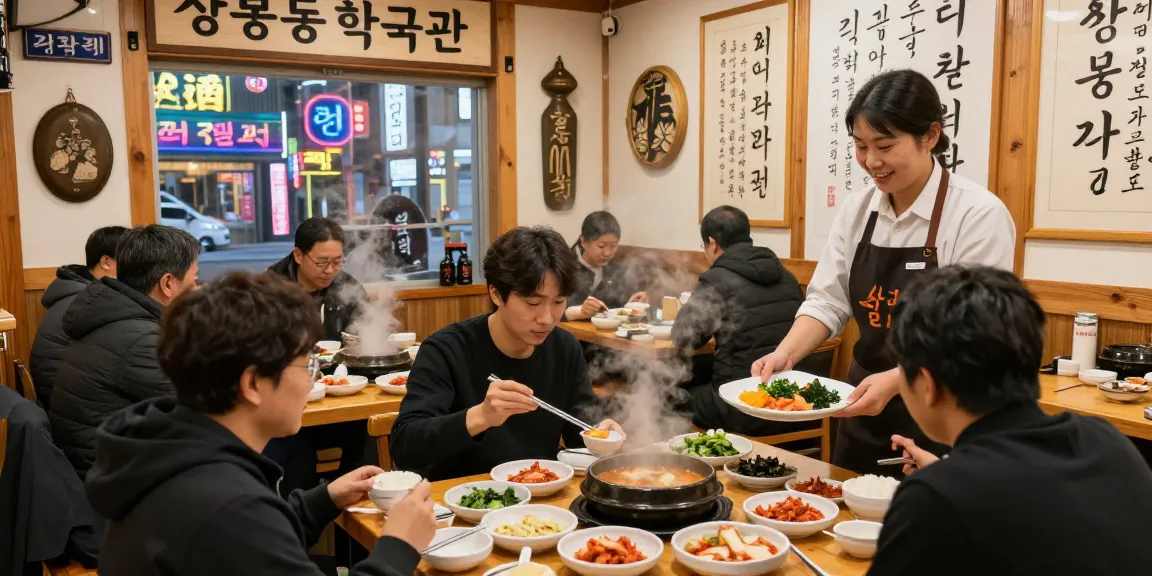
In a world that’s becoming increasingly interconnected, the enjoyment of food has transformed beyond mere sustenance into a vibrant celebration of culture, ingredients, and shared experiences. Whether you’re a novice cook or an experienced chef, understanding the global tapestry of culinary arts can significantly enhance your cooking repertoire. From the spices of Indian cuisine to the delicate flavors of Japanese dishes, the diversity of global cuisines offers endless opportunities for culinary exploration. In this guide, we will delve into the varied regional flavors, the cultural significance behind food traditions, and best practices for authentic recipe preparation. As you embark on this culinary journey, take a moment to visit our blog for even more insights and inspiration.
Understanding Regional Flavors and Ingredients
Each region of the world has its unique flavor profiles and ingredients, shaped by local culture, climate, and history. For instance, Mediterranean cuisine is characterized by the use of olive oil, fresh vegetables, and aromatic herbs, reflecting the abundant agriculture of the region. In contrast, South American dishes often feature bold spices and a variety of meats, influenced by indigenous culinary practices.
- Asian Cuisines: Highlighting the balance of flavors, Asian cuisines often combine sweet, sour, salty, and umami elements. Ingredients like soy sauce, ginger, and rice are staples.
- Middle Eastern Flavors: Known for their rich spices such as cumin, coriander, and saffron, Middle Eastern cuisines offer dishes that are aromatic and flavorful, often accompanied by vegetables and grains.
- European Classics: Italian, French, and Spanish cuisines focus on seasonal ingredients, showcasing techniques like slow cooking, baking, and sautéing to bring out natural flavors.
Cultural Significance of Food Traditions
Food is an essential part of cultural identity and social cohesion. Many cultures celebrate their heritage through traditional dishes and culinary practices passed down through generations. For example, Thanksgiving in the United States revolves around specific foods like turkey and cranberry sauce, symbolizing gratitude and togetherness. Similarly, the preparation of traditional dishes during festivals reflects the cultural history and values of communities around the world.
Best Practices for Authentic Recipe Preparation
To truly honor a dish’s heritage, understanding and following authentic preparation methods is vital. This includes sourcing genuine ingredients, respecting traditional cooking techniques, and keeping the cultural context in mind. Here are some best practices:
- Research the dish’s history and origin to appreciate its significance.
- Choose high-quality, authentic ingredients whenever possible.
- Follow traditional cooking methods to ensure the dish maintains its intended flavor and texture.
Essential Cooking Techniques to Master
Knife Skills and Food Preparation Basics
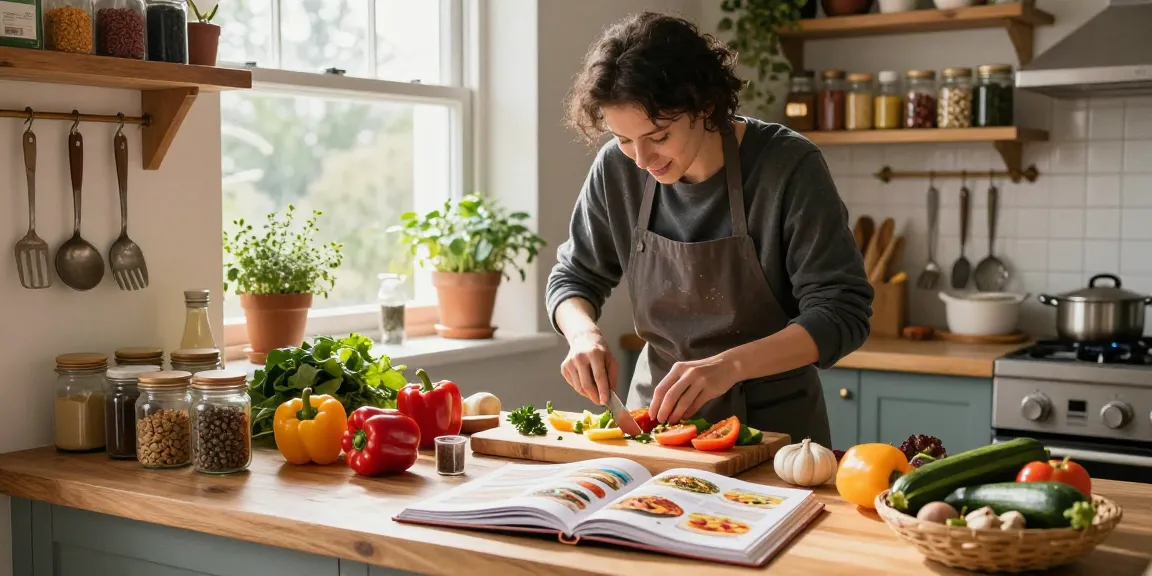
Having proficient knife skills is foundational for any cook. Mastering the art of chopping, dicing, and slicing not only improves efficiency in the kitchen but also enhances the presentation of your dishes. Begin with basic techniques, such as the claw grip for safety and using the right knife for each task, to ensure precision and control.
Cooking Methods: Versatile Techniques for Every Dish
Understanding various cooking methods – from roasting and grilling to steaming and braising – allows you to explore different textures and flavors in your meals. Each method brings out unique attributes in food, so experimenting with them can lead to delightful culinary discoveries.
Using Herbs and Spices for Flavor Enhancement
Herbs and spices are the heart of flavor in most cuisines. Learning how to use them effectively can elevate even the simplest dishes. Fresh herbs like basil and cilantro can brighten flavors, while spices such as paprika or cinnamon can add depth and warmth. Remember, balance is key – too much of a good thing can overpower a dish.
Creative Recipe Ideas for Every Occasion
International Dishes to Impress Your Guests
When hosting a gathering, impress your guests with international dishes that bring a taste of the world to your table. Consider serving Spanish paella, Italian risotto, or Moroccan tagine to create a memorable dining experience. These dishes not only offer exciting flavors but also serve as conversation starters about culinary traditions.
Quick and Easy Recipes for Busy Weeknights
For those hectic weeknights, having a repertoire of quick and easy recipes can be a lifesaver. Dishes like stir-fried noodles or one-pot pasta can minimize preparation and cleanup time while providing a satisfying meal for the whole family.
Family-Friendly Meals: Combining Fun and Nutrition
Creating meals that are both nutritious and fun can help instill healthy eating habits in children. Engaging kids in the cooking process, whether through assembling tacos or decorating pizzas, can make mealtime enjoyable and educational. Emphasizing colorful vegetables and whole grains can also help ensure a well-rounded diet.
Kitchen Essentials: Tools and Gadgets
Must-Have Equipment for Home Cooks
A well-equipped kitchen can significantly enhance your cooking experience. Essential tools like a good chef’s knife, cutting boards, and quality pots and pans form the backbone of any successful kitchen. Investing in reliable equipment can save time and improve the quality of your dishes.
How to Organize Your Kitchen for Efficiency
Organizing your kitchen effectively can streamline your cooking process. Prioritize keeping frequently used items within easy reach and utilize storage solutions such as drawer dividers and shelf organizers to create a clutter-free workspace. An organized kitchen not only improves efficiency but also makes cooking more enjoyable.
Innovative Gadgets That Save Time and Enhance Cooking
Technology continues to transform home cooking, with innovative gadgets that enhance convenience and creativity. Consider incorporating tools such as instant pots, air fryers, or sous-vide machines to elevate your cooking game while saving time. These gadgets can streamline meal prep and deliver delicious results with minimal effort.
Trends in Home Cooking for 2026
Embracing Sustainability in Food Practices
Future culinary trends are increasingly leaning towards sustainability. As consumers become more environmentally conscious, there is a growing emphasis on local sourcing, reducing food waste, and making sustainable choices in meal planning. Adopting practices like meal prepping and using leftovers creatively can support this shift.
The Rise of Plant-Based and Alternative Ingredients
Plant-based diets are no longer a niche; they are becoming mainstream. With the rise of alternative proteins such as jackfruit, lentils, and chickpeas, home cooks are encouraged to explore vegetarian and vegan options that are flavorful and satisfying. Incorporating these ingredients can both enhance nutritional value and reduce environmental impact.
Future of Cooking: Technology and Smart Kitchens
As technology advances, so does the concept of the smart kitchen. Devices that connect to the internet can offer tailored recipes, real-time cooking assistance, and inventory management, making cooking more intuitive and convenient. Embracing these innovations can streamline the cooking process and enhance culinary creativity.
What Are the Health Trends Changing Home Cooking?
Health trends are shifting towards clean eating and conscious consumption. Home cooks are increasingly prioritizing whole foods, reducing processed ingredients, and focusing on nutrient-dense meals. Understanding the health benefits of various ingredients can guide your cooking choices towards more wholesome outcomes.
How to Set Up a Home Cooking Community?
Creating a community around home cooking can foster inspiration, learning, and sharing. Consider hosting potlucks, cooking classes, or online recipe exchanges to build connections. This not only nurtures relationships but also encourages culinary experimentation and shared knowledge among home cooks.