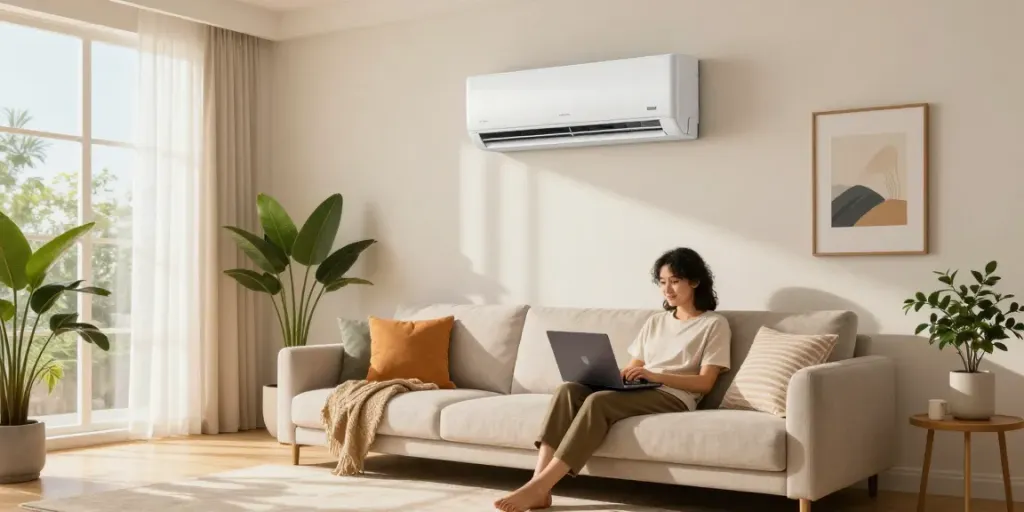
Understanding the 12000 BTU Mini Split Air Conditioner
The 12000 BTU mini split air conditioner is a versatile cooling and heating solution for various residential and light commercial spaces. These systems are gaining popularity due to their energy efficiency and flexibility in installation. Unlike traditional HVAC systems, mini splits consist of two main components: an outdoor compressor and an indoor air handling unit. This design allows for targeted heating and cooling, making them ideal for individual rooms or specific zones within a larger space. When exploring options, 12000 btu mini split units are often favored for their balance of power and efficiency.
What is a Mini Split Air Conditioner?
A mini split air conditioner is a ductless system that provides both cooling and heating through separate indoor and outdoor units. This innovative approach eliminates the need for ductwork, allowing for easier installation and less energy loss. Mini splits are equipped with inverter technology, enabling them to adjust their compressor speed based on the cooling or heating requirements of the space, thereby enhancing energy efficiency. Additionally, these systems are available in single-zone and multi-zone configurations, allowing homeowners to selectively cool or heat specific areas of their homes.
Key Features of the 12000 BTU Mini Split
- Energy Efficiency: Many 12000 BTU mini splits can achieve SEER ratings above 20, significantly lowering energy costs.
- Quiet Operation: These systems operate quietly, making them suitable for bedrooms and other noise-sensitive environments.
- Flexible Installation: Without the need for ductwork, installations can be tailored to fit individual home layouts.
- Heating Capability: In addition to cooling, most mini splits can provide heating during colder months, offering year-round comfort.
- Smart Control Options: Many units now include Wi-Fi capability, allowing users to control their mini split via smartphone apps or smart home systems.
Benefits of Ductless Systems for Homeowners
Ductless mini split systems offer several advantages that make them an appealing choice for modern homeowners looking to optimize their HVAC solutions. One major benefit is the improved energy efficiency, as they lose significantly less energy compared to traditional ducted systems. This reduction may lead to lower utility bills and less environmental impact. Furthermore, the ability to zone spaces means homeowners can maintain different temperatures in different rooms, enhancing comfort and satisfaction. The installation flexibility allows for a wide variety of applications, whether it's a new build or a retrofit project.
How to Choose the Right Mini Split for Your Space
Selecting the right mini split for your needs involves understanding your space and considering several critical factors. Proper sizing is essential; an undersized unit will struggle to cool or heat your space effectively, while an oversized unit can lead to inefficient operation and increased wear and tear. Additionally, understanding your local climate and the insulation quality of your home can inform your decision. Consulting with HVAC professionals or utilizing online BTU calculators can help streamline this process.
Calculating the Proper BTU for Your Room Size
When determining the appropriate BTU capacity needed for your space, consider the room's square footage, ceiling height, and insulation quality. The general rule of thumb is that a 12000 BTU mini split can effectively cool spaces ranging from 400 to 550 square feet. However, factors such as the amount of sunlight the room receives, the number of occupants, and the presence of heat-generating appliances should also be incorporated into this calculation. It’s best to consult with a professional or use an online guide to establish the most accurate BTU requirements for your situation.
Factors Influencing Mini Split Selection
- Room Size: Larger rooms require higher BTU ratings.
- Insulation Quality: Well-insulated spaces retain temperature better, which may reduce the BTU capacity needed.
- Sun Exposure: Rooms with plenty of windows or direct sunlight may need more cooling power.
- Usage Patterns: Consider how often the space will be used and the number of occupants.
Common Misconceptions About Mini Split Systems
Despite their growing popularity, several misconceptions about mini splits persist. One common myth is that they are only suitable for small spaces. In fact, many manufacturers offer multi-zone systems that can effectively service larger homes. Another misconception is that installation is overly complicated, but many models are designed for straightforward DIY installation with the right tools and some technical knowledge. Understanding these aspects can help homeowners make informed decisions about incorporating mini split systems into their heating and cooling strategies.
Installation Process for 12000 BTU Mini Split Systems
Successfully installing a 12000 BTU mini split system requires careful planning and adherence to safety and manufacturer guidelines. If you opt for professional installation, ensure you hire a qualified HVAC technician with experience in mini split units. On the other hand, DIY enthusiasts can undertake the installation with proper research and preparation, although caution and adherence to local codes are essential.
Preparing Your Space for Installation
Before installation, assess the best locations for your indoor and outdoor units. The indoor unit should be positioned high on the wall to effectively distribute air, while the outdoor unit needs adequate airflow and should be placed away from obstacles. Clear any debris or obstructions and ensure that the installation site has access to necessary power sources. Additionally, check for any local building codes or regulations that may influence your installation process.
Step-by-Step Installation Guide
- Choose the location for your indoor and outdoor units.
- Install the mounting bracket for the indoor unit and secure it to the wall.
- Drill a small hole in the wall for the refrigerant lines and electrical wiring.
- Mount the indoor unit and connect it to the outdoor unit using the provided refrigerant lines and electrical cables.
- Install the outdoor unit and ensure it's level and secure.
- Follow the manufacturer's instructions to finish wiring and refrigerant line connections.
- Test the system to ensure proper operation.
Hiring an HVAC Professional vs. DIY Installation
Deciding between professional installation and a DIY approach hinges on your skill level and comfort with electrical systems and refrigerant handling. While hiring a professional can ensure safety and compliance with local codes, DIY installation can save costs if you’re knowledgeable about HVAC systems. However, improper installation can lead to inefficiencies or even system failure, so weigh these factors carefully before making your choice.
Maximizing Efficiency and Comfort with Your Mini Split
After installation, it’s crucial to implement strategies that maximize the efficiency and lifespan of your 12000 BTU mini split system. Regular maintenance, precise temperature settings, and energy-saving techniques can help optimize performance and comfort in your space.
Regular Maintenance Tips for Optimal Performance
- Clean or Replace Filters: Ensure filters are clean or replaced regularly to maintain airflow and efficiency.
- Inspect Drain Lines: Keep drain lines clear to prevent water buildup and potential damage.
- Schedule Annual Inspections: Having a professional inspect your system yearly can catch potential issues early.
Adjusting Settings for Seasonal Changes
Different seasons require different settings for optimal comfort. In summer, set the cooling temperature between 75°F and 78°F for maximum energy efficiency. During winter, optimal heating settings are usually between 68°F and 70°F. Avoid frequent adjustments to allow the system to run efficiently and reduce energy consumption.
Energy Saving Tips to Lower Utility Bills
- Utilize Timers: Set timers to operate the system only when needed.
- Consider Zoning: Use separate units for different areas of your home to avoid cooling or heating unused spaces.
- Seal Air Leaks: Ensure windows and doors are sealed properly to prevent heat exchange.
Future Trends for Mini Split Air Conditioning Systems
The future of mini split systems looks promising, with continuous innovations aimed at enhancing efficiency, user experience, and sustainability. As the market evolves, staying informed about these trends will empower homeowners to make better decisions for their cooling and heating needs.
Innovations in Energy Efficiency Standards
Advancements in technology are continuously raising the bar for energy efficiency. Upcoming models are expected to achieve even higher SEER ratings, making them more efficient and cost-effective. This commitment to energy performance aligns with global efforts to reduce carbon footprints and combat climate change.
The Rise of Smart Home Integration
As smart home technology continues to gain traction, mini split systems are becoming increasingly compatible with Wi-Fi and smart home devices. Homeowners will be able to control their HVAC systems through voice commands or smartphone apps, improving convenience and energy management.
Predictions for Mini Split Technology in 2026
By 2026, we anticipate mini split technology to feature even more advanced sensors that can detect indoor air quality and adjust settings accordingly. Moreover, renewable energy integration will likely play a more significant role, with solar-powered systems gaining popularity among environmentally conscious consumers.
What is the cooling capacity of a 12000 BTU mini split?
A 12000 BTU mini split is designed to effectively cool spaces that measure approximately 400 to 550 square feet, depending on insulation quality and room usage. This cooling capacity makes it suitable for medium-sized bedrooms, small living rooms, or home offices.
Are there any downsides to using a mini split system?
While mini split systems are highly efficient, there are some downsides to consider. Initial installation costs can be higher than traditional HVAC systems, especially for multiple zones. Additionally, the indoor units may not blend seamlessly with home decor, and some users may find the noise from the indoor units distracting, although this is typically minimal.
What electrical requirements does a 12000 BTU unit need?
Typically, a 12000 BTU mini split requires a dedicated 15-20 amp circuit, depending on the specific model and its electrical specifications. It's important to consult the manufacturer's guidelines to ensure compliance with local codes and successful operation.
Why might my energy bill increase with a mini split?
Factors leading to an increase in energy bills may include improper sizing—resulting in the system running inefficiently—and a lack of regular maintenance. Additionally, if the system is set at excessively low temperatures or used excessively, it can lead to higher energy consumption.
What are the pros and cons of ductless mini split systems?
The advantages of ductless mini splits include their energy efficiency, flexibility in installation, and ability to provide targeted heating and cooling. However, potential downsides may include higher upfront installation costs and aesthetic challenges with indoor units. Weighing these pros and cons will help homeowners determine the suitability of mini splits for their specific needs.